
"grow in Ethiopia"
7000 article(s) found

A brief introduction to the Market Price of Fine Coffee Bean varieties in the advantaged Ethiopian Coffee Manor
Harald coffee (HarrarCoffee) comes from the highlands of eastern Ethiopia and is medium-sized in bean shape.

Flavor description of Ethiopian Coffee introduction to planting Environment
Large-scale coffee-growing villages account for about 35% of the country's total coffee production. These coffee farms, which use a multi-tier coffee planting system, are carefully cared for. Coffee farmers do not use chemical fertilizers, but use fallen leaves and animal and plant debris to increase soil nutrition. In addition to coffee, farmers also frequently grow non-coffee crops. It even accounts for the total amount of coffee in the country.

The unique treatment method of grinding degree and baking degree of fine coffee beans in Ethiopian coffee manor
Djimma Coffee this coffee grows in areas ranging from 1400 to 1800 meters above sea level. This kind of coffee is natural or sun-cured; it is weakly moderately acidic, the fruit is full, and the average quality is good; the smell is fragrant and mellow; one drop in the mouth, endless aftertaste. It is estimated that the average annual production of this coffee is 70000 tons (equivalent to 1.17 million bags) out of 127000 hectares of cultivated area.
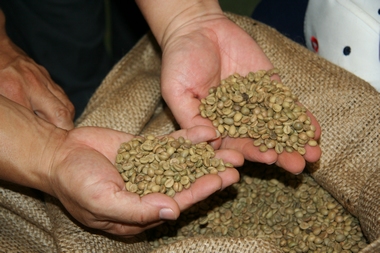
The main producing areas of coffee are in southern Brazil and Ethiopian highlands. Ethiopian coffee imports pass.
Ethiopia is one of the major producers of Arabica coffee in Africa, producing the best Arabian coffee in the world. It is said that coffee was first discovered by shepherds in Essekafa, and the name of coffee evolved from Kafa, so Essex is still the hometown of coffee. The geographical environment of coffee production and processing is very suitable for coffee growth. Coffee is mainly cultivated.

Ted Manor single Pin Bean Manor what are the suggestions for baking Ted Manor?
Professional baristas please pay attention to the coffee workshop (Wechat official account cafe_style) is located in the most advantaged natural conditions, Ethiopia produces unique high-quality coffee every year. Ethiopia's coffee growing cycle brings the joy of harvest to the country every year. Beautiful white coffee flowers will bloom and bear fruit every year from March to April. Only
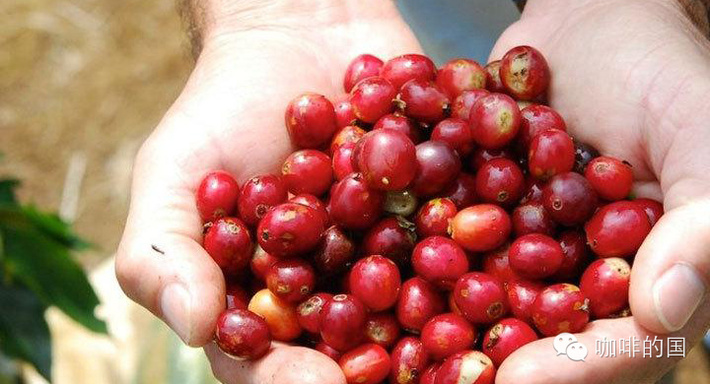
Cooked beans of sun-cured coffee in the Shakisso producing area of Sidamo Guji Guji, Sidamo, Ethiopia
The coffee flavor of Sidamo is very diverse, because of the different soil composition, regional microclimate and countless native coffee varieties, the coffee produced in each urban area has obvious differences and characteristics. Sidamo producing area (Sidama) is located in the south of Ethiopia. The industry here is mainly agricultural, and the coffee growing area is located around the Great Rift Valley (Great Rift Valley) of East Africa.

Introduction to the unique flavor and taste of Coffee Cochel Manor in Ethiopia
In December 1994, the Constitution of the Federal Democratic Republic of Ethiopia was formulated. According to the Constitution, Ethiopia will implement a federal system and a parliamentary cabinet system after the general election for a term of five years. After the national election in May 1995, the Federal Democratic Republic of Ethiopia was established on August 22, and Meles became prime minister in her capacity as chairman of the majority party of the people's House of Representatives. On May 14, 2000, Ethiopia held a national meeting

Ethiopian Coffee Manor Culture introduces Flavor
Coffee Culture Coffee beans in Ethiopia grow in close to the natural environment. After years of planting under the same growth conditions, Ethiopian coffee beans have gradually adapted to the environment here. More than 60% of coffee beans are grown in forests or semi-forests. Large-scale coffee-growing villages account for about 35% of the country's total coffee production.

The birthplace of Arabica Arabica coffee beans-the story of Ethiopia producing area in Ethiopia
Professional coffee knowledge exchange more coffee bean information Please follow the coffee workshop (Wechat official account cafe_style) if you want to know coffee and its cultural story, you have to first understand the hometown of individual coffee Arabica coffee beans-Ethiopia, Qianjie Coffee in addition to bringing you carefully selected Ethiopian-Yega Sheffield G1 coffee beans and earbags

How is the acidity of rosy summer coffee in Yega Sheffield Village? Who is the best Rose Summer Manor?
More information about coffee beans Please follow the coffee workshop (official Wechat account cafe_style) before meeting La Mula owner Willem Boot in Panama, Adam Overton had only a vague dream of buying a farm in Ethiopia to grow the world's most delicious coffee Geisha. Why Ethiopia?

Ethiopian Coffee Ted Manor Flavor description Variety characteristics of High-quality Coffee beans
The coffee market regulatory body in Ethiopia is the Ethiopian Coffee and Tea products Administration. There are two auction centers in the country, one in the capital Addis Ababa (Addis Ababa) and the other in Dire Dawa in eastern Ethiopia. Coffee growers bring fresh fruit or to private coffee processing plants or cooperative coffee washing stations

Ethiopian Yega Sheffivoka Coffee Flavor description introduction to the taste of fine coffee beans in the producing area
Located in the most advantaged natural conditions, Ethiopia produces unique high-quality coffee every year. Ethiopia's coffee growing cycle brings the joy of harvest to the country every year. Beautiful white coffee flowers will bloom and bear fruit every year from March to April. Only the reddest and ripe fruits will be selected between September and December.

British research report predicts: climate change threatens important coffee growing areas
Professional baristas please follow the coffee workshop (Wechat official account cafe_style) if you like coffee, then there is one more reason to pay attention to climate change. Ethiopia, an important coffee producer, will be greatly affected if global warming is not curbed, and at worst nearly 60 per cent of the country's coffee-producing areas may no longer be suitable for growing coffee crops, a new study says. A

Unique Ethiopian Coffee Manor Fine Coffee Bean cultivation Geographic location Climate Sea
In many cases, level 4 coffee is marked as level 5 in order to reduce taxes. The current classification is not uniform and messy, because there are also first-and second-tier (Grand G2) Yirga Cheffe processed by tanning, but the highest level of Harald (Harar) is level four (G4). The coffee-producing areas of Ethiopia are Sidamo, Harald and Yegashafi (
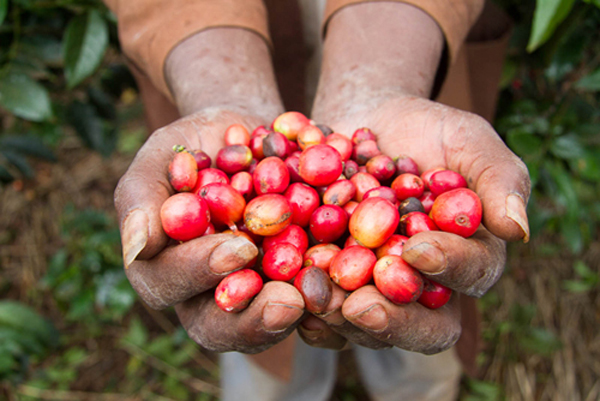
Ethiopian Coffee Industry and Variety Resources how much is the coffee purchase guide for Ethiopia
Ethiopia is one of the major producers of Arabica coffee in Africa, producing the best Arabian coffee in the world. It is said that coffee was first discovered by shepherds in Essekafa, and the name of coffee evolved from Kafa, so Essex is still the hometown of coffee. The geographical environment of coffee production and processing is very suitable for coffee growth. Coffee is mainly cultivated.

What are the coffee bean producing areas in Ethiopia? Ethiopian coffee variety.
Professional coffee knowledge exchange more coffee bean information please follow the coffee workshop (Wechat official account cafe_style) Ethiopian coffee is mainly produced in eight major areas: Ekempti, Limu, Illubabor, Djimma, Harrar, Teppi/Bebeka, Sidamo, Yirgacheffe. Ethiopian coffee is highly rated in China, especially in Ethiopia.

Unique Ethiopian Coffee Manor boutique Coffee Bean Flavor, taste and aroma description Jane
Grade of Ethiopian coffee: Ethiopian washed coffee Yega Chuefei G1 G2 Sidamo (Yirgacheffe, Sidamo) has the highest grades 2 and 3 (G2, G3), while sun-processed coffee in eastern Ethiopia is mostly grade 4 or 5 (G4, G5). In many cases, level 4 coffee is marked as level 5 in order to reduce taxes. At present, the classification is not uniform and there are

Characteristics of Flavor and Taste of Coffee Manor in Ethiopia
Yega Xuefei is a small town, 700-21000 meters above sea level, synonymous with Ethiopian boutique coffee. It has been a wetland since ancient times. The ancient saying "Yirga" means to settle down and "Cheffe" means a wetland. The mode of production and flavor of coffee here are so outstanding that Ethiopian coffee farmers compete to take pride in the flavor of their coffee, and thus become Africa.

What is the difference between the rose summer of Panama and the rose summer of Ethiopia
Why don't all rose summers taste the same? Just as not all Chardonnay tastes the same, take the rose summer of Panama and the rose summer of Ethiopia, for example, there are some differences between them. But in fact, they are also from Colombia, and the coffee beans produced in Tolima and the Kaduai varieties produced in Nari Nino also taste good.

Flavor description of Coffee from Xidamo Chiso producing area of Ethiopia
Ethiopia has unique and different flavors, providing customers all over the world with a wide range of taste choices. In the highlands of southwestern Ethiopia, the Kaffa, Sheka, Gera, Limu and Yayu Senri coffee ecosystems are considered to be Arabica coffee.